
Trump AI Executive Order Sets Up Federal–State Clash Over Regulation
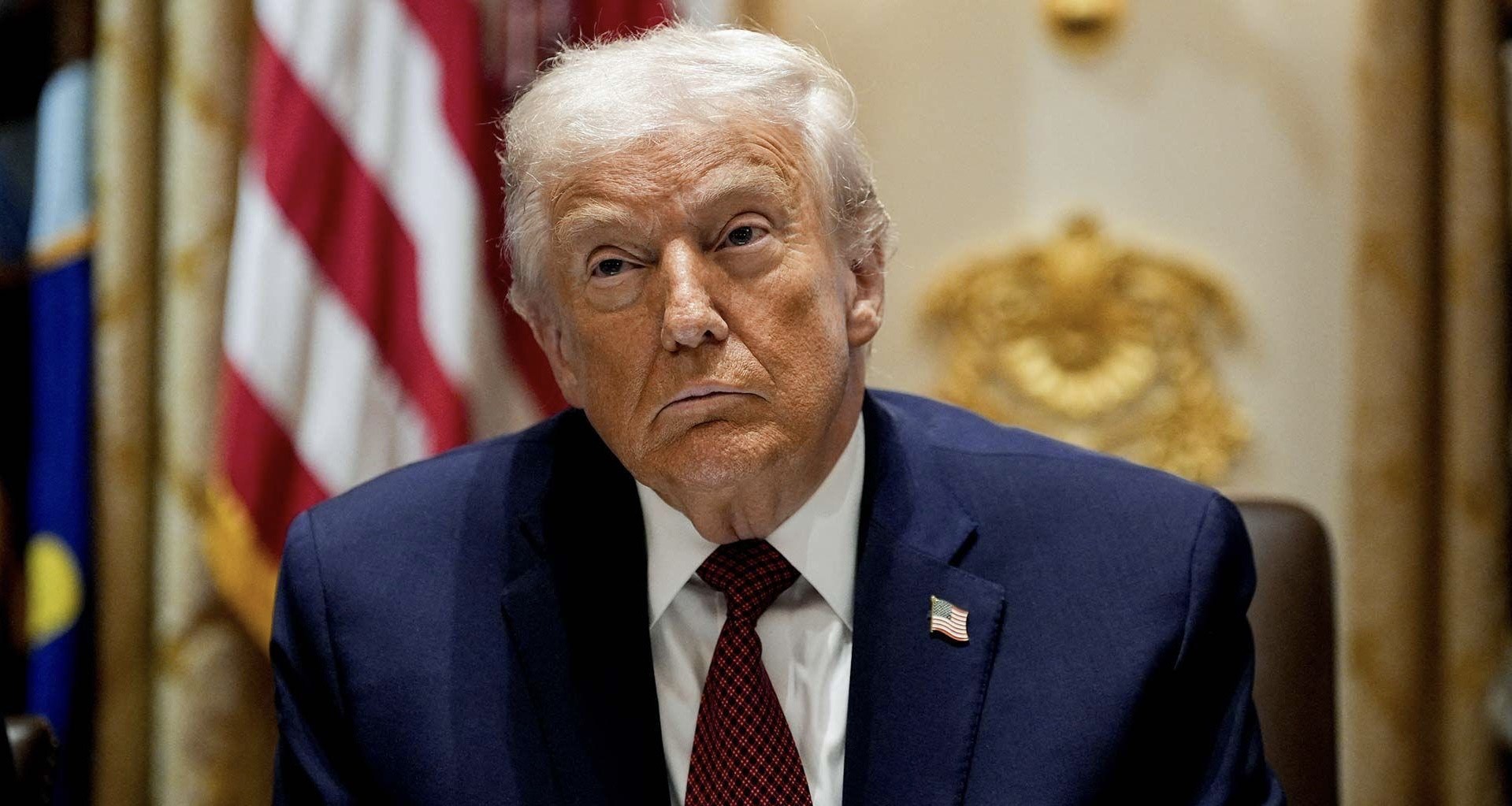
President Donald Trump on December 11, 2025, signed an executive order aimed at curbing state-level regulation of artificial intelligence, escalating a growing conflict between Washington and state governments over who should set the rules for emerging technologies.
The order, titled Ensuring a National Policy Framework for Artificial Intelligence, argues that a fragmented regulatory landscape could undermine U.S. innovation and competitiveness, and directs federal agencies to push back against what the administration describes as overly restrictive state AI laws.
What the Order Does
Under the directive, the Department of Justice is instructed to create an AI Litigation Task Force tasked with challenging state AI regulations in court. Federal agencies are also authorized to consider withholding certain forms of federal funding—particularly broadband-related grants—from states whose AI rules are deemed inconsistent with federal policy.
The order further directs the Department of Commerce, the Federal Trade Commission, and the Federal Communications Commission to review existing state laws and examine whether federal standards should preempt them. The White House says the goal is to establish a uniform national framework rather than what it characterizes as a patchwork of 50 different regulatory regimes.
In a fact sheet accompanying the order, the administration said disparate state laws could slow innovation and weaken the U.S. position in global competition, including against China.
Legal Uncertainty
Legal experts say the order is likely to face significant constitutional challenges. While the administration argues that AI regulation falls under federal authority because it affects interstate commerce, critics note that executive orders generally cannot override state laws without clear authorization from Congress.
The provision allowing agencies to tie AI compliance to federal funding may also be contested. Courts are expected to scrutinize whether Congress intended programs such as the Broadband Equity, Access, and Deployment (BEAD) initiative to be used as leverage over state AI policy.
Several state laws appear to be early targets, including Colorado’s AI anti-discrimination statute and California’s AI disclosure requirements. Officials in those states, including Colorado’s attorney general, have said they are prepared to defend their laws in court.
Many legal analysts expect the dispute to result in prolonged litigation over federalism and regulatory authority, with some cases potentially reaching federal appeals courts or the U.S. Supreme Court.
Political Reaction
The executive order has drawn resistance from across the political spectrum. Some Republican governors have questioned whether the president has the authority to preempt state legislation, arguing that such power rests with Congress. Civil rights groups and consumer advocates have warned that the move could weaken protections related to bias, transparency, and accountability in AI systems.
The technology industry itself is divided. Large tech companies have generally favored a single federal standard to reduce compliance complexity, while critics argue that a centralized approach could limit states’ ability to respond to local risks and harms.
The order has also exposed tensions within the Republican Party, with figures including Florida Governor Ron DeSantis raising concerns about executive overreach and its implications for states’ rights.
What Comes Next
Legal challenges from state attorneys general are widely expected, setting up a series of court battles that could take years to resolve. The dispute may also increase pressure on Congress to pass comprehensive AI legislation, as courts weigh the limits of executive authority in the absence of clear federal statutes.
In the meantime, startups and established companies face continued uncertainty as the regulatory environment remains in flux.
Trump’s executive order has intensified the debate over how artificial intelligence should be governed in the United States, drawing a sharper line between federal control and state experimentation—a conflict likely to shape U.S. AI policy for years to come.
# Related News


.svg)
.svg)
.jpg)